Custom Web Development vs Website Builders: Pros and Cons
Custom web development is the process of designing and building a website from scratch using written code, with no dependency on a pre-built template or third-party platform. If you are comparing custom web development with website builders such as Wix, Squarespace, or Webflow, the right answer depends on your business requirements, growth ambitions, and the experience you need to deliver to visitors.
What Is Custom Web Development?
Custom web development means every element of your website — the visual design, page structure, database logic, and third-party integrations — is built specifically for your business. There are no pre-made layouts to adapt and no platform constraints to work around. The result is a website that performs, scales, and functions exactly as your business needs it to.
A professionally built custom site typically includes:
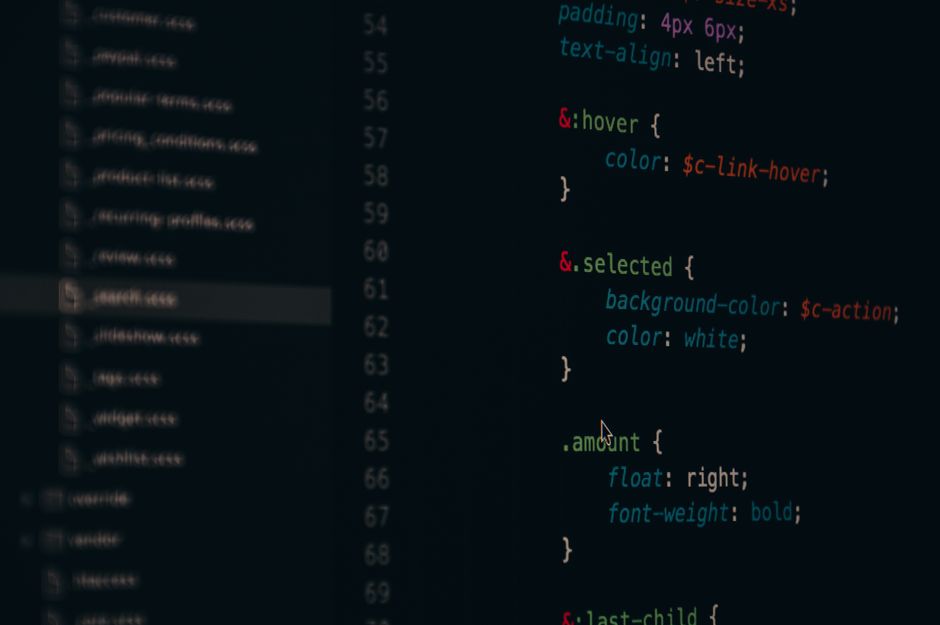
- Bespoke front-end design implemented in HTML, CSS, and JavaScript
- Back-end logic and database architecture tailored to your data model
- Integrations with CRMs, payment gateways, third-party APIs, and internal tools
- A content management system — most commonly a custom-developed WordPress theme — that your team can operate without technical knowledge
- Performance engineering aimed at passing Core Web Vitals thresholds
What Are Website Builders?
Website builders are platforms that let non-technical users assemble a website by arranging pre-built components through a visual editor. The code layer is abstracted entirely. Common examples include Wix and Squarespace for marketing sites, Webflow for design-led builds, and Shopify for e-commerce.
The appeal is speed and a low upfront cost. The constraint is that your website is built within the platform’s system. You cannot write arbitrary code, access the underlying database directly, or move your content to another host without a rebuild.
Custom Web Development vs Website Builders: A Direct Comparison
Design Flexibility
Custom web development imposes no design constraints. The interface is drawn from a blank canvas according to your brand identity. Website builders work within a library of pre-built components. Skilled designers can push those limits, but the result is always shaped by the platform’s architecture — which is why many builder-built websites share visual similarities regardless of how much content has been customised.
Page Performance
Custom-built websites can be engineered lean. A developer controls exactly which scripts load, how images are delivered, and how the server responds to requests. Website builder platforms load platform-level scripts, app integrations, and third-party widgets that cannot be removed. This overhead frequently results in slower Largest Contentful Paint times and lower Core Web Vitals scores compared to well-built custom sites.
Scalability
A custom codebase grows with your business. You can add complex features, build proprietary integrations, and migrate to more capable infrastructure without hitting a platform ceiling. Website builders impose hard limits on database access, server configuration, and integration depth that become genuine obstacles when a business expands beyond the platform’s intended scope.
SEO Control
Custom development gives full ownership of URL structure, page-speed variables, server-side rendering, structured data implementation, and crawl budget management. Website builders have added basic SEO tools, but the shared hosting environment and fixed code architecture limit how far technical SEO optimisation can be taken.
Security
On a custom build, security hardening is specific to your stack. Website builders host thousands of sites on shared infrastructure. Your security posture depends in part on the platform vendor’s patching timeline and response to vulnerabilities affecting their entire customer base simultaneously.
Total Cost of Ownership
Custom web development carries a higher upfront investment. In return, you own the codebase outright, pay no recurring platform fees, and face no risk of the platform changing its pricing model or discontinuing features. For businesses planning for growth, the long-term cost of a custom build is frequently lower than years of builder subscription fees combined with the eventual migration cost when the platform no longer fits.
When Custom Web Development Is the Right Choice
Choose custom web development when:
- Your business has functional requirements that a builder template cannot fulfil.
- You need integrations with existing business systems — a CRM, an ERP, a proprietary database, or a custom API.
- Core Web Vitals performance is critical to your SEO strategy or conversion rate.
- Your brand requires a distinctive visual identity that shared templates cannot deliver.
- You are building a platform, a customer portal, or any product rather than a simple marketing site.
- You need full control over hosting, data sovereignty, and security compliance.
When a Website Builder Is a Reasonable Starting Point
A builder can be the right starting point when your requirements are standard — a few informational pages, a blog, and a basic contact form — and your budget does not yet accommodate a full custom build. Many businesses begin on a builder and move to a professional website development service once they reach the platform’s functional limits. Planning that migration from the outset makes the transition considerably smoother.
WordPress: The Practical Middle Ground
For most marketing sites and content-driven businesses, a professionally developed WordPress website — built with a custom theme and purpose-built plugins rather than a page-builder template — delivers the core benefits of custom development at a more accessible cost. WordPress offers a mature CMS, a proven architecture, and the flexibility for a developer to write any custom logic the business requires.
Review our guide on custom website development services for a step-by-step breakdown of how a professional project is structured. If WordPress is your platform of choice, our guide on professional WordPress development services covers what to expect from an agency engagement.
Generate Your robots.txt Before Launch
Once your custom site is live, one of the first technical SEO steps is ensuring search engines can crawl it correctly. Use the tool below to generate a clean, standards-compliant robots.txt file for your domain:
Place robots.txt at your domain root, e.g. https://example.com/robots.txt. Test it with Google's robots.txt tester.
Upload the generated file to your server root immediately after launch to control how search engine bots interact with your site from day one.
Chat on WhatsAppFrequently asked questions
What is custom web development?
Custom web development is the process of building a website using written code tailored to your specific business requirements, rather than adapting a pre-built template or operating within a website builder platform. Every element — design, back-end logic, integrations, and CMS — is built for your business.
Is custom web development better than a website builder?
Custom web development offers superior flexibility, performance, scalability, and security compared to website builders. It requires a larger upfront investment, but for businesses with specific functional requirements or growth ambitions, it consistently delivers a better long-term outcome.
Can I have a content management system with a custom-built website?
Yes. The majority of custom website projects are built on WordPress, which provides a fully featured CMS your team can use without any coding knowledge. Headless CMS options are also available depending on the technical architecture required.
How much control do I have over a custom-built website?
You have complete control. You own the codebase, choose your hosting provider, manage your own database, and can make any technical change without a platform vendor’s permission. There are no feature gates, usage limits, or third-party terms constraining what you can build or modify.
Do I need a custom website or will a builder do?
If your requirements are straightforward — a few pages, a blog, and a contact form — a builder may serve you adequately as a starting point. If you need specific integrations, a distinctive brand experience, strong performance, or a site that can scale without hitting platform walls, custom web development is the appropriate investment.
Summary
The right website for your business is one built to serve your goals precisely. Nexsage’s website development service covers the full project lifecycle — discovery, design, development, testing, and launch — with ongoing support thereafter. If you are ready to move beyond the constraints of a template, speak with our team today.
Request a Quote